

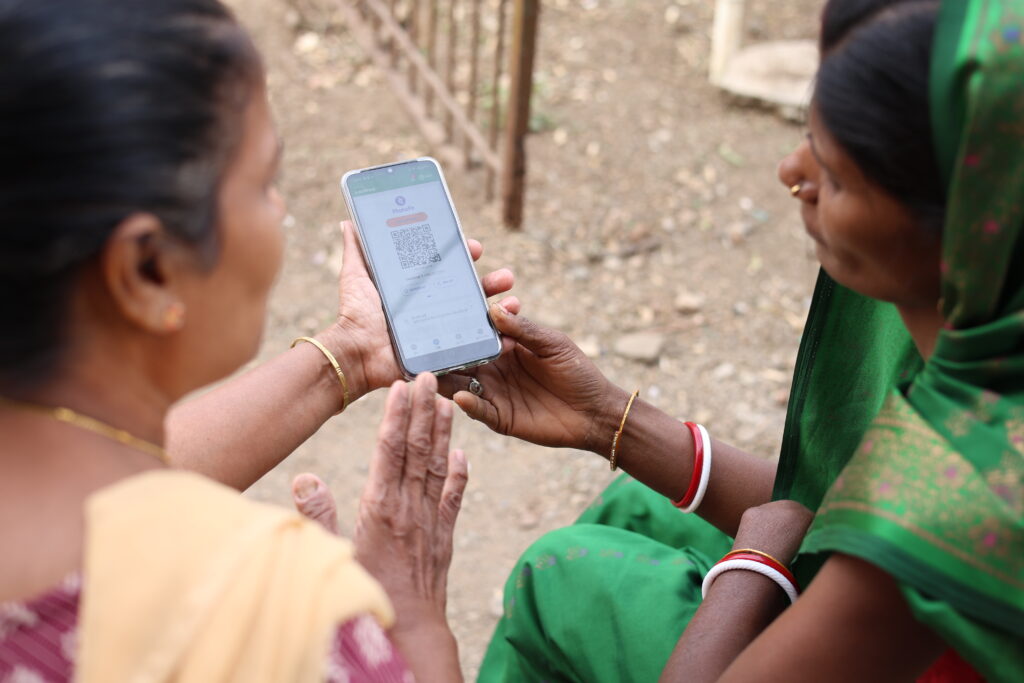
Digital innovation is remodeling monetary providers for girls worldwide. Our newest coverage temporary explores how new applied sciences—AI, blockchain, embedded finance, digital IDs, and interoperable programs—are reshaping entry, inclusion, and empowerment for girls, particularly these traditionally excluded from formal finance.
Key Insights at a Look
1. AI & Machine Studying: Unlocking Credit score and Personalization
- AI-driven credit score scoring makes use of different knowledge (like cellular funds and social networks) to evaluate debtors who lack conventional credit score histories—benefiting tens of millions of ladies beforehand deemed “unscorable.”
- Customized monetary merchandise: Algorithms can tailor financial savings, insurance coverage, and credit score to girls’s real-life wants, similar to college charges or emergencies.
- Dangers: With out cautious design, AI can perpetuate gender bias. Insurance policies should guarantee programs are audited for equity and transparency
2. Cryptocurrency & Blockchain: Bypassing Boundaries
- Direct entry: Crypto allows girls to avoid wasting, make investments, and transact securely—even with no checking account, essential in areas with restricted banking infrastructure.
- Stablecoins: Supply quick, low-cost remittances and a steady retailer of worth, particularly in unstable economies.
- Dangers: Market volatility and lack of regulation can expose girls to scams. Schooling and sturdy client safety are important
3. Embedded Finance: Seamless Inclusion through On a regular basis Platforms
- Integration: Monetary providers at the moment are embedded in apps girls already use (e.g., ride-hailing, e-commerce, gig platforms).
- Impression: In Indonesia, 52% of feminine casual employees adopted cellular banking by way of platforms—far above the nationwide common.
- Tailor-made merchandise: Platforms use transaction knowledge to supply microloans, insurance coverage, and financial savings, reducing limitations for girls new to formal finance.
- Challenges: Digital divides persist—girls are much less prone to personal smartphones or use cellular web. Embedded finance have to be designed for low-tech entry and person literacy
4. Digital ID & e-KYC: Breaking the Identification Barrier
- Digital IDs empower girls to open accounts and entry providers remotely, overcoming lack of official documentation.
- Tiered KYC: Permits primary accounts with minimal data, unlocking monetary inclusion for marginalized teams.
- World examples: India’s Aadhaar e-KYC slashed onboarding prices, whereas Senegal’s reforms simplified ID procedures for girls.
- Privateness & Belief: Knowledge safety legal guidelines and user-friendly replace processes are very important for adoption and confidence.
5. Interoperable Techniques & Open Finance: Constructing Monetary “Roads”
- Interconnectivity: Seamless linkage between banks, fintechs, and cellular cash suppliers lets girls transact and share knowledge throughout platforms.
- Advantages: Reduces prices, expands entry, and allows different credit score evaluation.
- Coverage Wants: Gender-responsive design, sturdy knowledge safety, and inclusive requirements are important for equitable influence
Case Research
- Nigeria: Stablecoins and regulatory sandboxes are driving digital finance adoption, with 25.9 million customers and $22B in stablecoin transactions.
- India: MuleHunter.AI, an AI fraud detection instrument, led to a 61% drop in financial institution frauds and improved client safety for girls.
- Vietnam: VNeID digital ID system enabled safe, fast onboarding and lowered fraud by 59%.
- Brazil: Pix on the spot fee system reached 76% of the inhabitants, reducing prices and boosting inclusion for girls entrepreneurs.
Why This Issues
- For Policymakers: Considerate regulation and inclusive infrastructure are key to closing gender gaps and constructing belief.
- For Monetary Companies Suppliers: Digital innovation allows outreach to new buyer segments, particularly girls, driving development and resilience.
- For Girls & Communities: These advances imply safer methods to avoid wasting, pay, and make investments—empowering girls to assist households, launch companies, and construct future

