

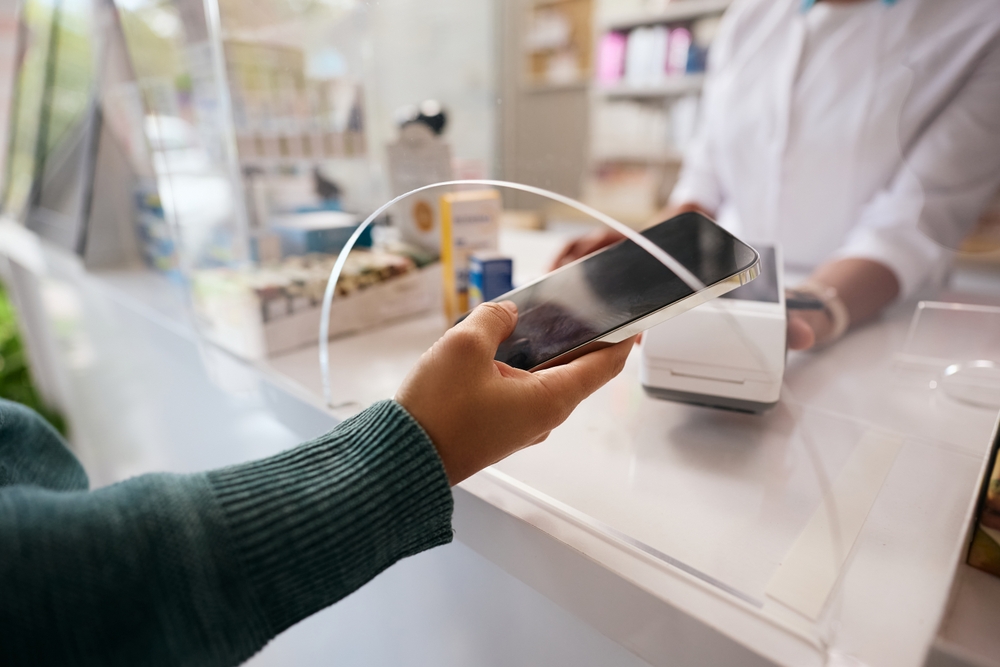
For many years, the worth you paid on the pharmacy counter was a single, opaque quantity. You handed over your card, paid your $20 copay, and walked away, by no means figuring out how a lot of that cash went to the drug producer, the intermediary, or the pharmacist. In 2026, that pricing mannequin has been shattered. As federal rules just like the Inflation Discount Act clamp down on the precise worth of the capsules, pharmacies and Pharmacy Profit Managers (PBMs) are scrambling to get well their misplaced income. The result’s a brand new period of “Payment-Primarily based Pharmacy,” the place the price of the drug is perhaps decrease, however the price of getting it into your fingers has exploded.
In the event you look at your pharmacy receipt this month, you might be more likely to see line gadgets that didn’t exist a 12 months in the past. These aren’t taxes; they’re “service” and “logistics” expenses designed to monetize the bodily labor of pharmacy work. Simply as airways unbundled baggage and seat choice, pharmacies are actually unbundling the act of shelling out medicine. Listed here are the 5 prescription price classes which have expanded aggressively in 2026 and why your “free” providers are out of the blue costing you cash.
1. The “Final Mile” Supply Surcharge
The period of free prescription supply is formally over. In the course of the pandemic, main chains like CVS and Walgreens supplied free dwelling supply to compete with Amazon. Nonetheless, in 2026, labor prices and gig-economy rules have pressured a reversal. Most main pharmacy chains have launched tiered “Logistics Surcharges” for dwelling supply.
Whereas commonplace 5-day mail supply would possibly nonetheless be free or low-cost, “Similar-Day” or “Subsequent-Day” supply now attracts a price starting from $4.99 to $9.99 per order. These charges are not often lined by insurance coverage, that means a senior on a set earnings who depends on supply for 3 totally different medicines could possibly be paying an additional $30 a month only for the comfort of not driving.
2. Chilly Chain “Dealing with” Charges
The explosion of GLP-1 weight reduction medication (like Wegovy and Zepbound) and sophisticated biologics has created a nightmare for pharmacy fridges. These medicines require strict temperature controls from the warehouse to the counter, referred to as the “Chilly Chain.” In 2026, pharmacies started passing these electrical energy and monitoring prices to the buyer.
You might now see a “Specialty Dealing with Payment” or “Chilly Chain Surcharge” of $15 to $25 added to prescriptions that require refrigeration. This price is ostensibly to cowl the price of the specialised thermal packaging and the chance of spoilage, however for the affected person, it features as a tax on having a posh situation like diabetes or rheumatoid arthritis.
3. Enhanced “Scientific” Meting out Charges
For years, the “Meting out Payment”—the labor value paid to the pharmacist to depend capsules and test for interactions—was hidden inside the entire declare. Now, with the rise of “Price-Plus” pricing fashions and cash-pay pharmacies, this price has turn into seen and variable. In 2026, many impartial and concrete pharmacies launched “Enhanced Scientific Charges” for high-touch medicines.
If you’re prescribed a drug that requires the pharmacist to test a state database (like opioids) or present obligatory counseling (like sure blood thinners), the pharmacy could add a $10 to $20 medical price to the invoice. In contrast to the usual shelling out price, which is commonly capped by insurance coverage, these “medical” add-ons are regularly billed as non-covered administrative providers, leaving the affected person to pay the distinction.
4. Membership “Entry” Subscriptions
Maybe probably the most insidious price is the one you pay earlier than you even fill a prescription. To flee the “fee-per-fill” mannequin, main chains are pushing sufferers towards paid month-to-month memberships (e.g., Walgreens Plus, CVS CarePass, or Amazon Prime Rx). In 2026, these packages have successfully created a “paywall” for traditional pharmacy providers. If you’re not a member, you pay the supply charges, the upper money costs, and wait longer within the queue.
In the event you pay the $5 to $15 month-to-month subscription price, these charges are waived. This “subscription-ification” of healthcare signifies that sufferers are actually paying a month-to-month retainer simply to entry the pharmacy advantages they arguably already paid for with their insurance coverage premiums.
5. PBM “Administrative” Cross-Throughs
Lastly, a brand new price is showing on the statements of sufferers with Excessive Deductible Well being Plans (HDHPs). As Congress cracks down on “Unfold Pricing” (the place PBMs preserve the distinction between what they cost the plan and pay the pharmacy), PBMs are shifting to “Clear” fashions. The catch is that “transparency” comes with a price ticket.
As a substitute of hiding their revenue within the unfold, PBMs are actually charging seen “Per-Declare Administrative Charges” starting from $2 to $6. In a high-deductible plan the place the affected person pays 100% of the associated fee till the deductible is met, this administrative price is handed on to you. You’re now not simply paying for the drug; you might be paying a visual toll to the intermediary for the privilege of processing the declare.
The “All-In” Value Test
The sticker worth of a drugs is now not the one quantity that issues. In 2026, a drug with a decrease “listing worth” would possibly find yourself costing you extra as soon as the dealing with, supply, and administrative charges are tacked on. One of the best protection is to ask for the “Out-the-Door” worth earlier than you authorize a fill. Ask particularly: “Are there any dealing with or administrative charges hooked up to this prescription?” If the reply is sure, ask if choosing it up in particular person or switching to a 90-day provide would waive them. On this new fee-based economic system, the most costly a part of your prescription may not be the medication in any respect.
Did you get hit with a “Chilly Chain” price on your insulin or Ozempic this month? Go away a remark under—sharing your prices helps us observe the place these new charges are popping up!

