

On condition that the tempo of technological change is usually swift, regulatory our bodies typically wrestle to maintain rules updated amidst a quickly altering panorama. Up to now couple years, the fast improve in funding adviser use of Synthetic Intelligence (AI)-powered instruments has introduced a problem to regulators in trying to make sure (amongst different priorities) that consumer information stays safe whereas permitting advisers to make use of this expertise to supply higher consumer service. Which has left many open questions as to advisers’ duties beneath related rules relating to using AI.
On this visitor publish, Chris Stanley, founding father of Seaside Avenue Authorized LLC, discusses how the Securities and Trade Fee (SEC) seems to be viewing AI, how advisers can apply the prevailing regulatory framework to using this expertise, together with for analysis, advertising, consumer assembly note-taking, and portfolio administration.
Whereas the SEC beneath earlier Chair Gary Gensler in 2023 proposed a wide range of new guidelines and rule amendments that may have regulated funding advisers’ and broker-dealers’ use of applied sciences that “optimize for, predict, information, forecast, or direct investment-related behaviors or outcomes” (seemingly supposed to focus on using AI with out naming it explicitly), these had been withdrawn earlier this 12 months, leaving advisers to look to the prevailing regulatory framework (e.g., the Advisers Act, the foundations thereunder, and Regulation S-P) in addition to statements made by SEC officers for steering relating to utilizing AI instruments appropriately.
The idea of ‘belief however confirm’ is relevant in a number of areas relating to adviser use of AI. For example, advisers utilizing AI instruments for conducting analysis will seemingly need to confirm the accuracy of AI-generated output (as these instruments proceed to expertise hallucinations and misinterpretations). Equally, advisers utilizing AI in advertising (or touting their use of AI in advertising supplies) will need to concentrate on each the SEC’s “Advertising Rule” and the Advisers Act’s anti-fraud prohibitions (because the SEC has issued enforcement actions associated to “AI Washing” [i.e., making false claims about an adviser’s use of AI]). Moreover, recordkeeping, participant consent, and consumer privateness and data sharing necessities beneath the Advisers Act’s “Recordkeeping Rule” will probably be related for advisers who use AI-powered notetaking instruments.
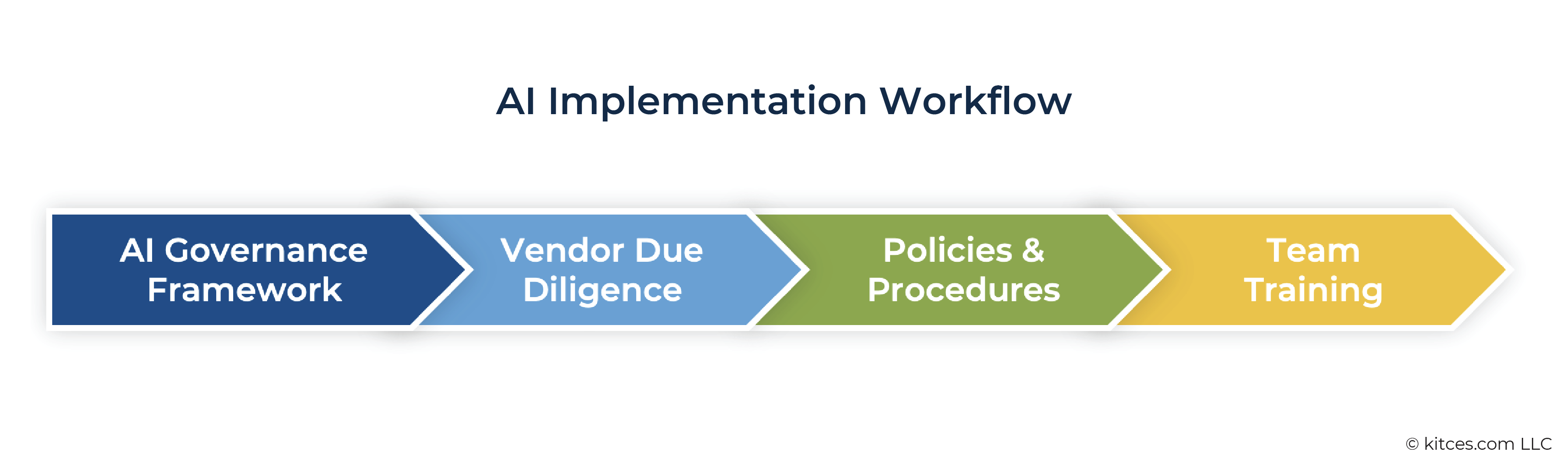
On this setting, advisers can think about appearing proactively to stay in compliance with present rules and put themselves on good footing for potential adjustments to the regulatory setting surrounding AI. Such steps, amongst others, might embody surveying employees to know the agency’s present use of AI instruments, figuring out which AI instruments and use instances will probably be permitted (and which of them is not going to), conducting due diligence on AI instruments getting used, in addition to coaching and testing employees on these insurance policies.
In the end, the important thing level is that as a result of regulation will invariably lag behind the fast tempo of AI innovation, advisers will, for the second, have to evolve their AI practices as finest they will beneath the prevailing regulatory framework. Which might enable advisers to reap the benefits of the capabilities that AI instruments present whereas sustaining their fiduciary responsibility to their purchasers.
Learn Extra…

